RV Carbon Monoxide Detector: Placement, Testing and Replacement

Where to place an RV carbon monoxide detector, how to test it, when to replace it and what to do if it sounds, and how it differs from smoke and propane alarms.
Clear, illustrated guides to RV water, power, roof and climate systems.
An RV runs on two electrical systems, 12-volt battery power and 120-volt AC power, and mixing them up causes most problems. These guides explain how each one works, how to size equipment and how to stay safe.
Where to place an RV carbon monoxide detector, how to test it, when to replace it and what to do if it sounds, and how it differs from smoke and propane alarms.
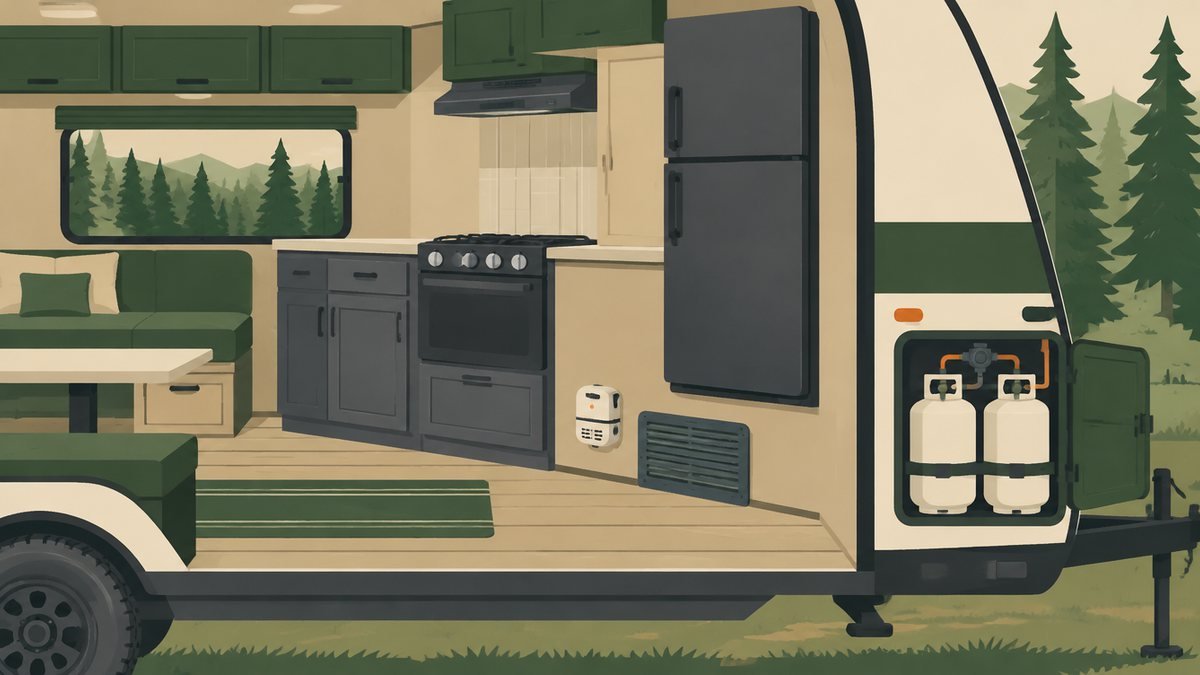
How an RV propane gas detector works, where it should be mounted, how to test it, what the beeps mean, when to replace it and what to do if it sounds an alarm.

RV generator repair starts with maintenance: oil, filters, spark plugs and fuel. Use this checklist for no-start, surging and no-power problems and safety.

Compare RV generators: inverter vs conventional, portable vs built-in and fuel types, how to size one for your air conditioner and how to stay safe from CO.
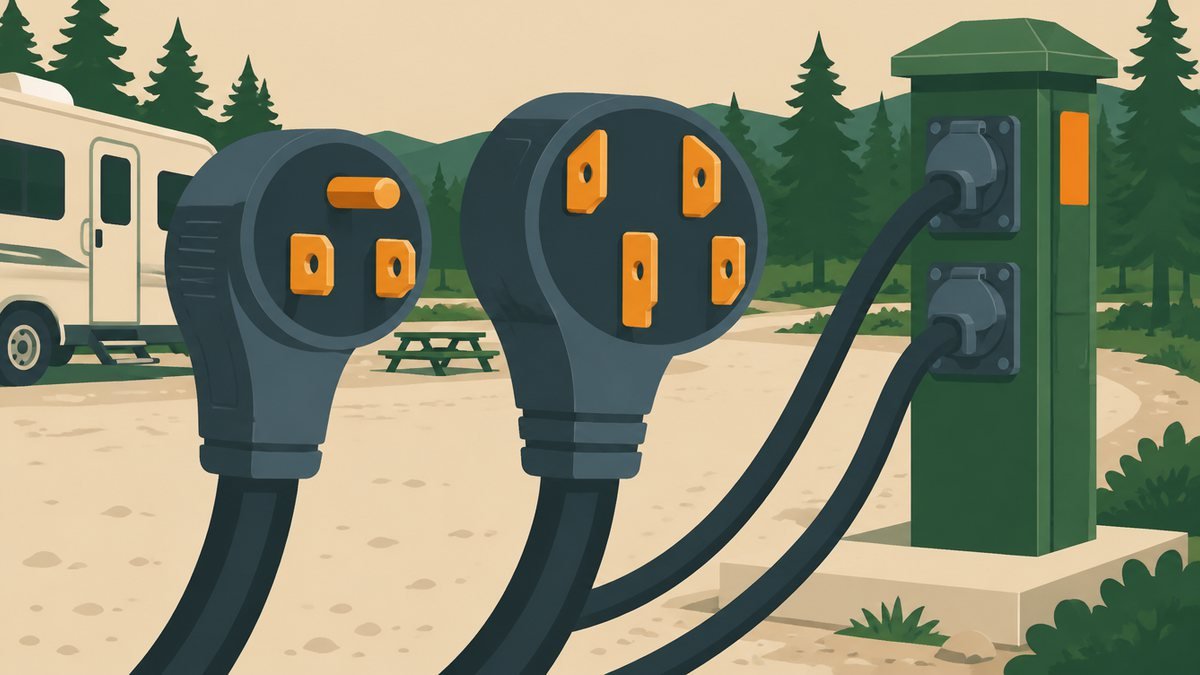
30 amp RV plug or 50 amp? Learn how the plugs differ, how adapters and cords work, how to avoid overloads and why surge protection matters at campgrounds.
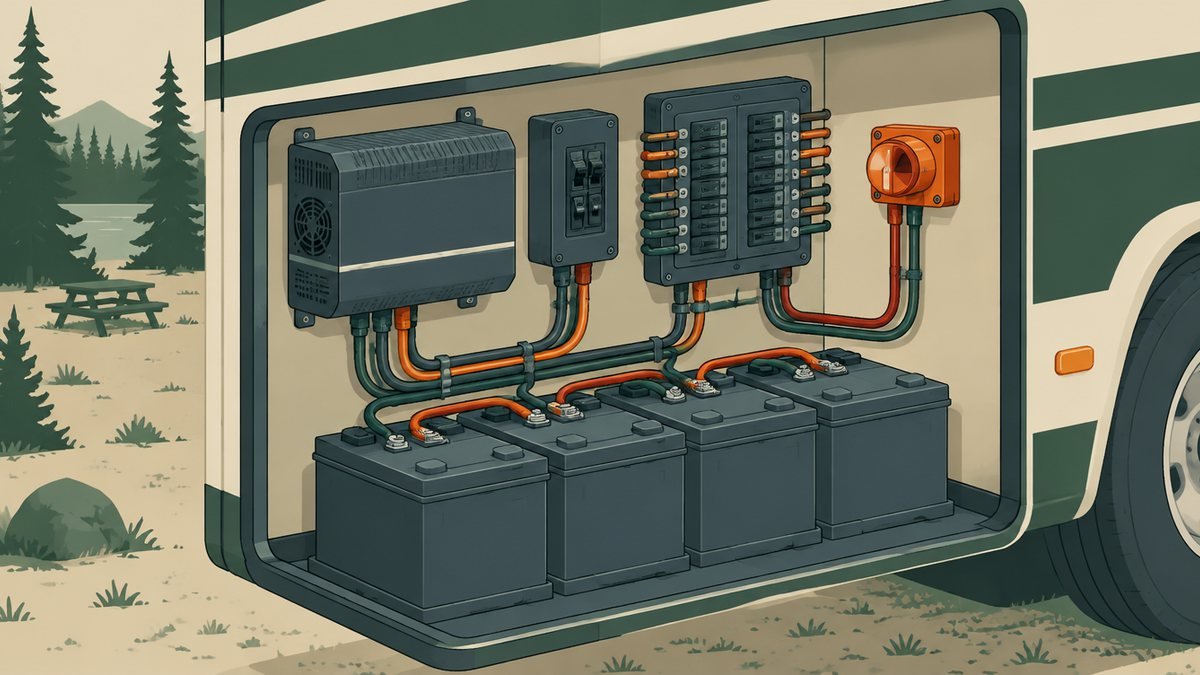
How an RV battery charger and a battery disconnect switch work, which charger types to choose, and how to use both for storage, camping and safe 12-volt work.
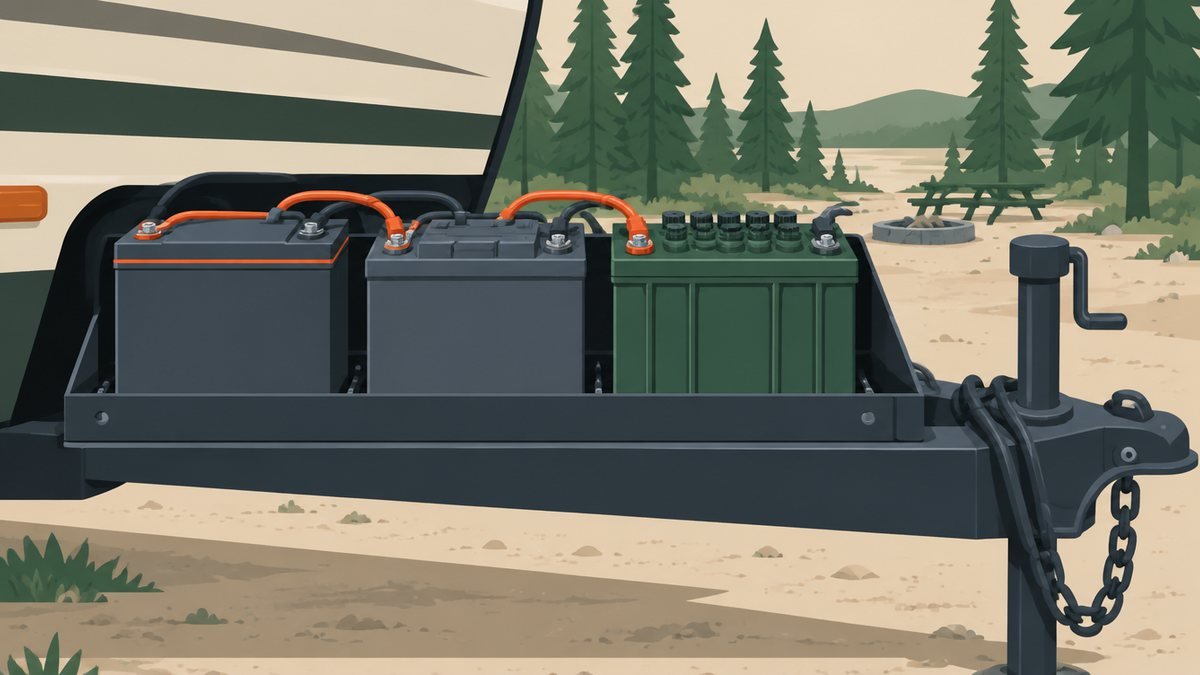
Compare lithium, AGM and lead-acid when choosing a deep cycle RV battery: capacity, weight, charging, maintenance, wiring basics and what to ask before buying.